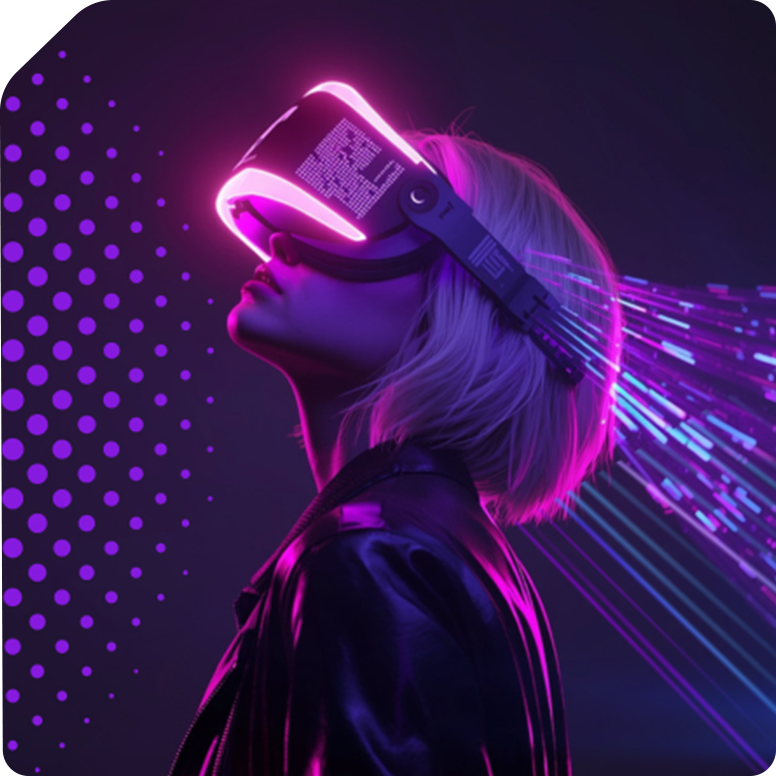
Virtual reality is transforming the way players interact with games. Unlike traditional PC gaming or mobile gaming, VR places the player directly inside the experience, turning screens into fully immersive worlds. This shift changes how designers approach interfaces, navigation, and interaction. Elements that work well in a 2D game or even a 3D game often fail in VR because players are no longer looking at a flat display—they are inhabiting the environment itself.
For any modern game development studio, mastering VR interface design is becoming essential. As VR game development, Unity game development, and cloud gaming platforms continue to grow, developers must rethink traditional UI and UX approaches. Successful VR experiences depend on intuitive interfaces that feel natural within the virtual world rather than distracting overlays that break immersion.