The Most Chaotic Game Economies

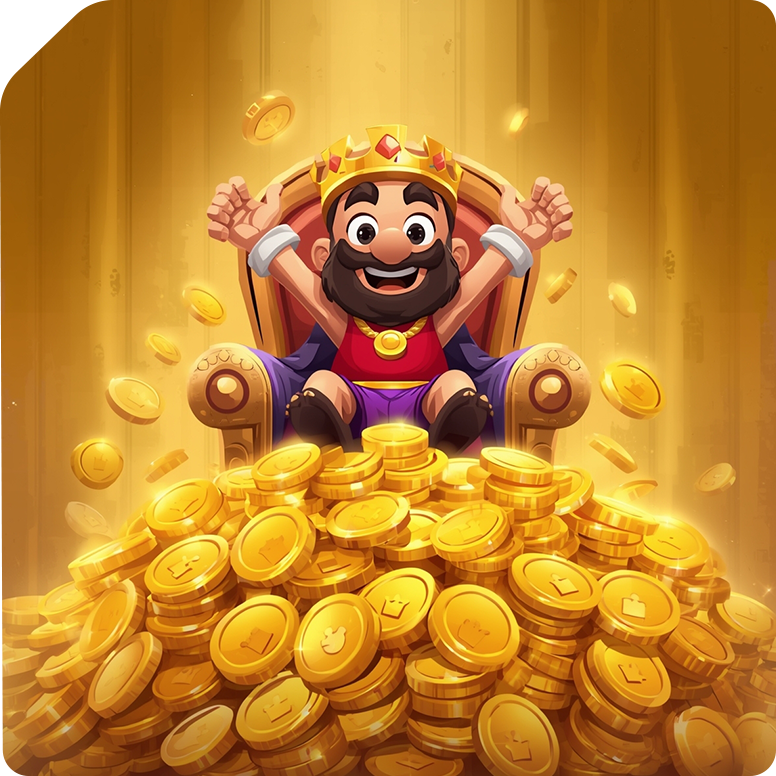
Virtual economies are a fascinating part of video game design. They shape player motivation, progression, and social interaction within games. When economies function smoothly, players feel rewarded and engaged. When they break or behave unpredictably, they can frustrate players and teach powerful lessons about economic design in games. Below, we explore real examples of virtual economies that demonstrated chaos, imbalance, or unexpected outcomes and what game developers can learn from them.

World of Warcraft and Gold Farming Disruptions

One of the clearest examples of chaotic economic effects can be seen in World of Warcraft. In this game, “gold farmers” are players who play specifically to accumulate in‑game currency, often to sell it outside the game. These accounts were so prolific that they influenced the overall economy. When a large number of these farming accounts were deleted in 2006, item prices on the player‑run Auction House dropped sharply, nearly 40–50 percent, in what commentators described as an in‑game recession.


This situation reveals how player‑driven economic behavior, especially when external financial incentives exist, can destabilize a game’s currency system. For developers, this highlights the need to anticipate external pressures and unintended behaviors that influence how players earn and spend currency within the game.


EVE Online: Player‑Driven Market Volatility

In EVE Online, the player community itself effectively runs the economy. The game’s markets allow players to engage directly in trading, speculation, and arbitrage, producing outcomes reminiscent of real‑world financial markets. According to GameSpot’s analysis, players often crash markets on their own initiative, and arbitrage trading becomes part of the gameplay for some, meaning players buy low and sell high across markets with intense competition.


This kind of volatility makes EVE Online stand out as an extreme case of economic potential and unpredictability. Developers here chose not to intervene beyond building mechanics that support trade; players crash markets, inflate prices, and explore economic strategies in ways that mirror real economic risk and speculation. From a game design perspective, this shows that if a game exposes economic systems to players, it must be prepared for emergent behavior that goes beyond what developers originally intended.

Diablo III Auction House Gold Exploit

One of the most dramatic examples of a virtual economy breaking came from Diablo III shortly after the release of its Patch 1.0.8. This update inadvertently introduced a serious exploit that allowed players to duplicate gold through the in‑game auction house. Players who discovered the glitch were able to use it to generate trillions of gold, massively increasing their in‑game wealth and disrupting the game’s economic balance. The exploit was tied to both the gold auction house and the real‑money auction house system, meaning duplicated currency could impact item trading and potentially real‑world transactions.


In response, Blizzard took the significant step of temporarily disabling both auction houses to prevent further exploitation and began investigating the bug and affected accounts. One player alone was reported to have amassed an astonishing 371 trillion gold using the exploit. Blizzard opted not to roll back servers entirely, instead choosing targeted measures to fix the issue and stabilize the economy.


This episode underscored how game economies can collapse when an exploit undermines currency flow and why economic systems must be resilient to unforeseen player behavior. It also influenced Blizzard’s later decision to remove both the gold and real‑money auction house permanently because the system was seen as contrary to the game’s core loot‑driven progression philosophy.

Game Economy Basics: How Chaos Can Emerge

Understanding why these virtual economies behave chaotically requires looking at the underlying structure of game currency systems. Game economies revolve around how players earn, spend, and trade resources such as coins or items. These systems exist in every genre, from mobile games to large multiplayer titles, and must be balanced to reward players while maintaining challenge and progression.


Different types of currencies exist: soft currencies earned through play, premium currencies often tied to monetization, and how these interact influences economic flow in the game world. When these interactions are poorly tuned or exploited by players, instability and player dissatisfaction can follow.

What Game Developers Can Learn

  1. Economy Design Must Expect Emergent Player Behavior


Both World of Warcraft and EVE Online show that players will act in ways designers may not predict. Some will farm currency, others will drive speculative markets. A strong economy design anticipates these behaviors and includes mechanisms to mitigate extreme inflation or deflation without removing meaningful player control.


  1. Open Market Stability


EVE Online’s unified population creates a vibrant market but also allows for more impactful economic swings. Developers building cross‑server or cross‑region markets should consider how currency and item flows might react to player strategies in such environments.


  1. Balancing Reward and Progression Prevents Currency Imbalance


When reward structures aren’t aligned with player effort, whether because farming is too easy or trade produces too much currency, economies can accelerate toward imbalance. Carefully balancing how resources are earned and removed (through sinks such as item costs or fees) helps maintain stability and player engagement.

Chaos Can Teach Stability

Chaos in virtual economies may seem like a problem, but it offers valuable lessons for developers and game studios. By studying how large online games handled exponential currency growth, speculative markets, and player exploitation, developers can better understand how to design systems that are both fun and economically robust. Researching real cases from World of Warcraft’s gold shifts to EVE Online’s player markets provides insights that go beyond theory and into real, in‑game economic complexity.